Source microwave safe ceramic fruit plate for Home, Restaurant, Catering
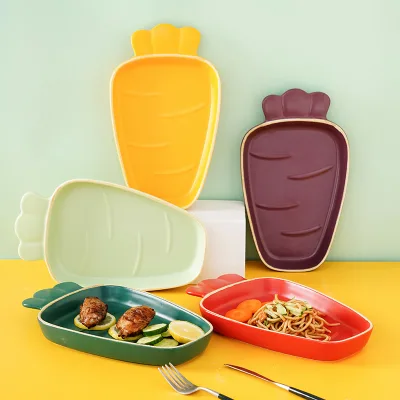
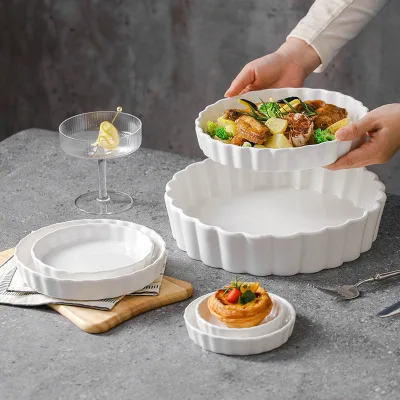
Explore 30 listings of microwave safe ceramic fruit plate options from verified suppliers. Buyers can compare specifications like size, material, and certifications to find the right fit for daily use or commercial catering needs.
Key considerations
Products List




Comprehensive Sourcing Guide
Strategic Sourcing Guide for Microwave Safe Ceramic Fruit Plates
Understanding Material Composition and Thermal Performance
When sourcing microwave-safe ceramic fruit plates, the primary technical differentiator lies in the raw material composition and the specific firing techniques employed by the manufacturer. The supply market for this category is diverse, ranging from traditional porcelain to modern ceramic blends. Based on available product attributes, high-quality options often utilize a combination of ceramic and porcelain materials. Porcelain, derived from specific clay types, is renowned for its density and translucency, while general ceramics offer robust durability. A critical observation in the current market is the distinction between "Ceramics" and "Porcelain" as listed in supplier specifications, which often indicates variations in clay body composition and firing temperatures.
For a fruit plate to be truly microwave-safe, the material must not contain metallic oxides or glazes that can cause arcing or overheating. The provided data highlights that "Glazed" techniques are standard for these products. The glaze is essential not only for aesthetics but for creating a non-porous surface that prevents food absorption and facilitates cleaning. However, the microwave safety of a glazed ceramic plate depends heavily on the chemical stability of the glaze formulation. Buyers must verify that the glaze is free from lead and cadmium, which are common concerns in ceramic ware. The observed product attributes list "Thermostability" as a key function, suggesting that the specific ceramic formulations in this segment are engineered to withstand rapid temperature changes without cracking. This thermal shock resistance is a vital specification for fruit plates that may transition from refrigeration to microwave heating.
Furthermore, the market includes products labeled as "Refractory Glass" or "Sugarcane" based, which indicates a broader category of tableware. While sugarcane fiber and glass are distinct from ceramic, the core keyword specifically targets ceramic. Therefore, procurement strategies should focus strictly on items explicitly defined as "Ceramic" or "Porcelain" with confirmed microwave functionality. The "Handmade" attribute observed in some listings suggests a segment of artisanal production, which may offer unique aesthetic value but requires tighter quality control regarding thickness uniformity to ensure consistent microwave heating.
Compliance, Certification, and Regulatory Standards
Navigating the regulatory landscape is paramount when importing ceramic tableware, particularly for food contact applications. The supply data indicates a variety of certifications held by different manufacturers, ranging from FDA approval to CIQ and EU standards. For buyers targeting the North American market, FDA certification is a non-negotiable baseline. This certification ensures that the materials used in the ceramic body and the glaze do not leach harmful substances into food under normal use conditions. The presence of FDA certification in the product attributes confirms that at least a segment of the market adheres to these rigorous safety thresholds.
In the European Union, compliance is often governed by EU/LFGB (German Food and Feed Code) and CE/EU standards. The observed data lists "CIQ, EU/LFGB/Ok Compost" and "CIQ, EU" as certifications for various products. While "Ok Compost" is typically associated with biodegradable materials like sugarcane, its presence alongside ceramic certifications suggests a complex supply chain where suppliers may offer diverse product lines. For a strict ceramic fruit plate, the buyer must specifically verify that the ceramic product carries the relevant EU food contact compliance, often indicated by the "EU" or "LFGB" tags.
The "CE/EU" certification mentioned in the data is particularly relevant for products entering the European Economic Area. This certification often encompasses safety, health, and environmental protection requirements. Additionally, "CIQ" (China Inspection and Quarantine) is a domestic Chinese standard that aligns with international export requirements. When evaluating suppliers, buyers should request specific test reports that validate these certifications for the exact model number, such as "RY0952-8"" or "RY1097," as certifications are often product-specific rather than blanket company-wide approvals. It is crucial to distinguish between general company certifications and those applicable to the specific ceramic glaze and body composition of the fruit plate being purchased.
Cost Drivers and Pricing Dynamics
The pricing structure for microwave-safe ceramic fruit plates is influenced by several variable factors, including material quality, production method, and order volume. The observed price range in the market spans from $0.03 to $20.00 USD, a wide spectrum that reflects the diversity from mass-produced, thin-walled items to premium, handcrafted porcelain. The lower end of this range typically corresponds to high-volume, machine-pressed ceramic plates with standard glazing. In contrast, the higher price points are associated with "Handmade" techniques, complex designs, or specialized "Eco-Friendly" formulations that may involve more expensive raw materials or labor-intensive finishing processes.
Order Volume is a significant determinant of unit cost. The Minimum Order Quantity (MOQ) data reveals a range from 2 units to 50,000 units. Suppliers offering an MOQ of 50,000 pieces, such as those producing sugarcane-based items, often operate on a high-volume, low-margin model. For ceramic fruit plates, an MOQ of 500 to 5,000 units is common for standard models, while custom orders may require higher commitments. The "Standard Export Carton" packing method observed in the data suggests that logistics costs are factored into the pricing, especially for heavy ceramic items.
Other cost drivers include the "Customization" availability. While the data confirms that customization is available, this service invariably increases the unit price due to the setup costs for new molds, glaze formulations, and packaging designs. Models like "RY0882" with a wide range of sizes (8" to 20") may have different pricing tiers based on the specific diameter selected, as larger plates require more raw material and energy to fire. Buyers should also consider the "Delivery Time," which is listed as 45 days for certain items. Longer lead times can impact cash flow and inventory planning, potentially influencing the total landed cost when factoring in warehousing expenses.
Typical Applications and Functional Specifications
Microwave-safe ceramic fruit plates serve a versatile range of applications, from daily household use to commercial catering and special events. The product attributes explicitly list "Daily Use" as a primary function, indicating that these plates are designed for durability and frequent handling. The "Eco-Friendly" feature observed in the data suggests a growing trend toward sustainable tableware, appealing to environmentally conscious consumers and businesses aiming to reduce their carbon footprint. This attribute is particularly relevant for fruit plates, which are often used for fresh produce that benefits from a natural, non-plastic aesthetic.
The functional specifications extend beyond simple food holding. The "Thermostability" and "Discoloring" resistance mentioned in the data highlight the plate's ability to maintain appearance and structural integrity after repeated heating cycles. This is essential for fruit plates that may be used to warm up fruits or desserts in a microwave. The "Waterproof Oilproof" attribute, while more common in disposable items, is a desirable trait for ceramic glazes, ensuring that the plate resists staining from acidic fruits like citrus or berries.
The data also notes specific dimensions, such as "8" Side Plate," "11" Dinner Plate," and "12" Dinner Plate," alongside sizes ranging from 6" to 20". This variety allows buyers to select the appropriate size for different serving contexts. For instance, an 8" plate is ideal for individual fruit servings, while a 12" or 16" plate is better suited for family-style presentation or buffet settings. The "Occasion" attributes, including "Camping, Travel, Party, Graduation, Wedding," suggest that these plates are marketed for both everyday utility and special events. The "All-Season" designation further confirms their versatility for year-round use.
Supplier Evaluation and Production Capabilities
Selecting the right supplier requires a deep dive into their production capabilities and operational transparency. The data indicates that products originate from "China," with specific mentions of "Chazhou Guangdong, China." Guangdong is a major manufacturing hub for ceramics, known for its established supply chains and technical expertise. When evaluating suppliers, buyers should verify the "Making Method," distinguishing between "Handmade" and machine-pressed production. Handmade items, while often more expensive, offer unique character and may be preferred for high-end markets. However, machine-pressed items ensure greater consistency in dimensions and weight, which is critical for bulk procurement.
The "Customized" attribute is a key differentiator. Suppliers offering customization can tailor the plate's size, shape, color, and glaze finish to meet specific branding or functional requirements. However, customization introduces complexity in quality control. Buyers should assess the supplier's ability to manage "Sample Time," which is noted as 3 days for some products. A short sample turnaround indicates an agile production line, but the buyer must ensure that the sample quality matches the final bulk production.
Furthermore, the "Product Packing" standards, such as "Standard Export Carton" or "Carton," are vital for protecting fragile ceramic items during transit. Suppliers with robust packing protocols reduce the risk of breakage, which can significantly impact the final delivered cost. The "Fob" (Free on Board) term mentioned in the data indicates that the buyer is responsible for shipping costs from the port of origin, requiring careful logistics planning. Buyers should also inquire about the supplier's capacity to handle large orders, given the observed MOQ of up to 50,000 units for certain product lines.
Quality Control and Long-Term Procurement Strategy
Implementing a rigorous quality control (QC) process is essential for mitigating risks associated with ceramic tableware procurement. Given the fragility of ceramic materials, visual inspection for cracks, chips, and glaze defects is the first line of defense. Buyers should also verify the "Thermostability" through thermal shock testing, ensuring the plates can withstand temperature fluctuations without cracking. The "FDA" and "CIQ" certifications mentioned in the data provide a baseline for safety, but independent third-party testing for lead and cadmium leaching is recommended for high-volume orders.
Long-term procurement strategies should focus on building a relationship with suppliers who demonstrate consistency in their "prod_model" and "prod_standard." The data lists specific models like "RY0952-8"" and "RY1097," which suggests that buyers should standardize their orders on proven models to ensure supply chain stability. Diversifying the supplier base is also advisable to mitigate risks associated with production delays or raw material shortages. The "Lead Time" of 45 days for some items indicates that buyers must plan their inventory well in advance to avoid stockouts.
Finally, the "Eco-Friendly" and "Health Care" attributes suggest a market trend toward sustainable and safe products. Buyers should align their procurement strategy with these trends by prioritizing suppliers who invest in green manufacturing practices and non-toxic materials. By focusing on these key areas—material integrity, regulatory compliance, cost efficiency, and supplier reliability—buyers can successfully source high-quality microwave-safe ceramic fruit plates that meet both functional and aesthetic requirements. The observed data provides a solid foundation for these decisions, offering clear insights into the capabilities and standards of the current market.
FAQs
Are these ceramic fruit plates microwave safe?
Yes, many options are microwave safe with thermostability functions. The glazed ceramic and porcelain materials resist discoloring and handle temperature changes, but verify specific model certifications like FDA for safety.
What certifications do these plates hold?
Products often carry FDA, CIQ, and EU/LFGB certifications for food safety. These ensure the materials do not leach harmful substances, though specific models like RY0952 may have different compliance details.
Can I customize the size and design?
Customization is available for size, shape, and glaze finish. Buyers can request specific dimensions like 8-inch side plates or 11-inch dinner plates, though setup costs may apply for unique molds.
What is the typical minimum order quantity?
MOQs range from 2 units to 50,000 pieces depending on the supplier. Standard ceramic plates often have lower thresholds, while sugarcane or custom items may require higher volume commitments.
Where are these plates manufactured?
Most products originate from China, specifically Chazhou Guangdong. This region is a major hub for ceramics, offering established supply chains for both handmade and machine-pressed production methods.
How long does delivery take?
Lead times vary, with some items requiring 45 days for delivery. Buyers should account for this duration when planning inventory, especially for custom orders or large volume shipments.